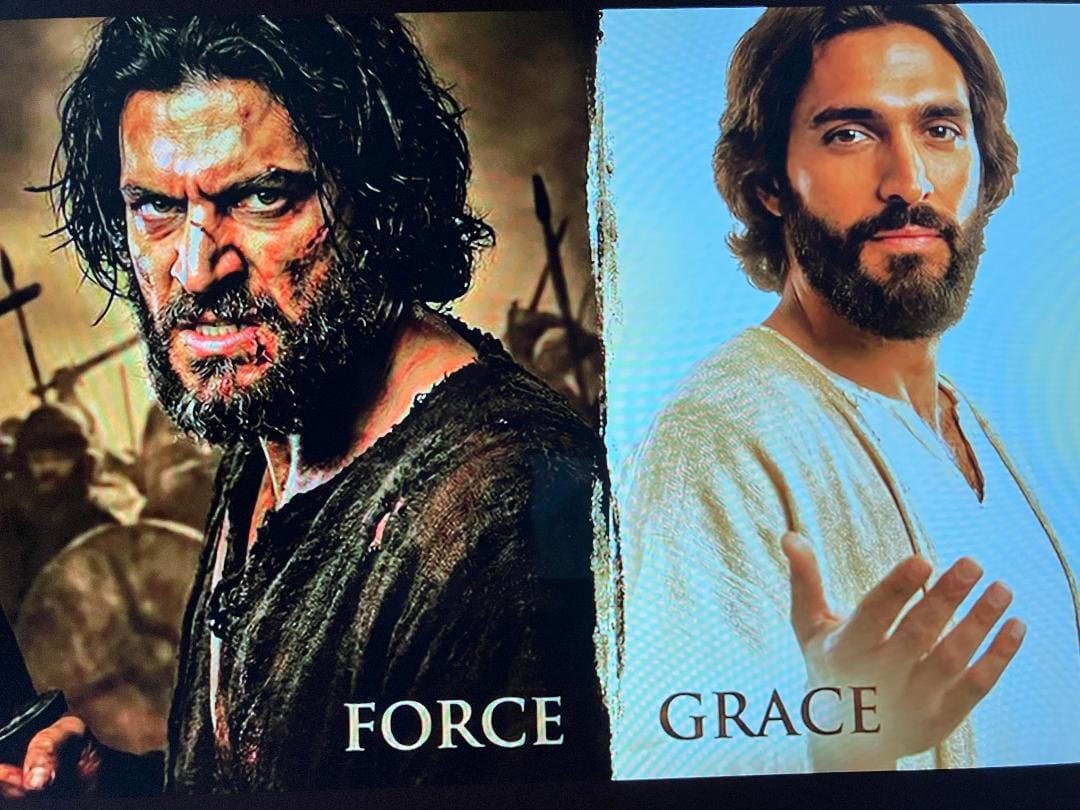
Barabbas: Devil In the Details
While there are few facts written about Barabbas, the information we are given contains a wealth of knowledge.
Barabbas is mentioned in all four gospels of the New Testament (Matthew 27:15-26; Mark 15:6-15; Luke 23:18-24; John 18:40). We know that he was a male Jew living in Jerusalem with a notorious criminal record that included acts of robbery, inciting riots and finally murder. He was especially dedicated to participating in any public protests that involved the illegitimacy of Roman rule in Judah. Thus, he would have been known as a violent zealot and watched closely by the Romans and Temple authorities. Those who disturbed the “Pax Romana”{Peace of Rome} were liable to be jailed, tortured and possibly executed.
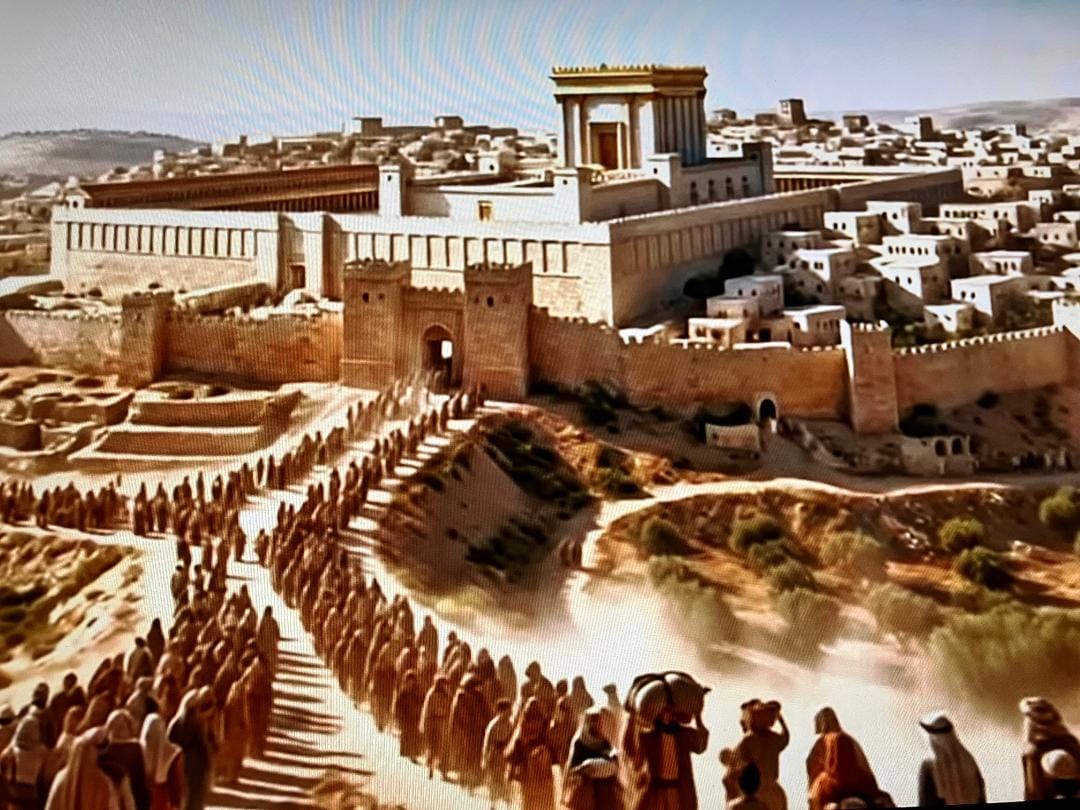
He may have originally been born in a rural area in Judah because in the first century, 95% of Jews were farmers. Once he reached the age of accountability {19 by Jewish Law}, he would have been free to chart his own life course. As a Jew, he would have definitely been taught the Torah or the first five books of the Bible and a trade. His trade skill set may have allowed him the the opportunity to exchange the mundane country life for a more exciting life in a city. This may be why we read of him living in Jerusalem. In the first century, Jerusalem is thought to have had a population of about fifty to sixty thousand residents. It was also a very expensive to live in the city. Most Jewish males were married by 19 and would normally be living in their parents' home, or the home of the wife’s parents. The couple would also be expected to start a family as soon as possible. So, Barabbas probably had a wife and children. However, the vast majority of Jews were poor, so while the couple may have been living with family in Jerusalem and had a roof over their heads, the money needed to buy food would have been a constant concern. We will never know if Barabbas exhibited juvenile delinquency tendencies as a youth. But we do know that by the time he was middle aged {30’s to 40’s}, he had a reputation as a bad man. The gospels tell us he was known as a “notorious prisoner, a robber, a leader in the violent zealot movement against Roman rule, and a murderer” (Matthew 27:16; Mark 15:7; John 19:40). His activities against Roman rule made him a fringe zealot.
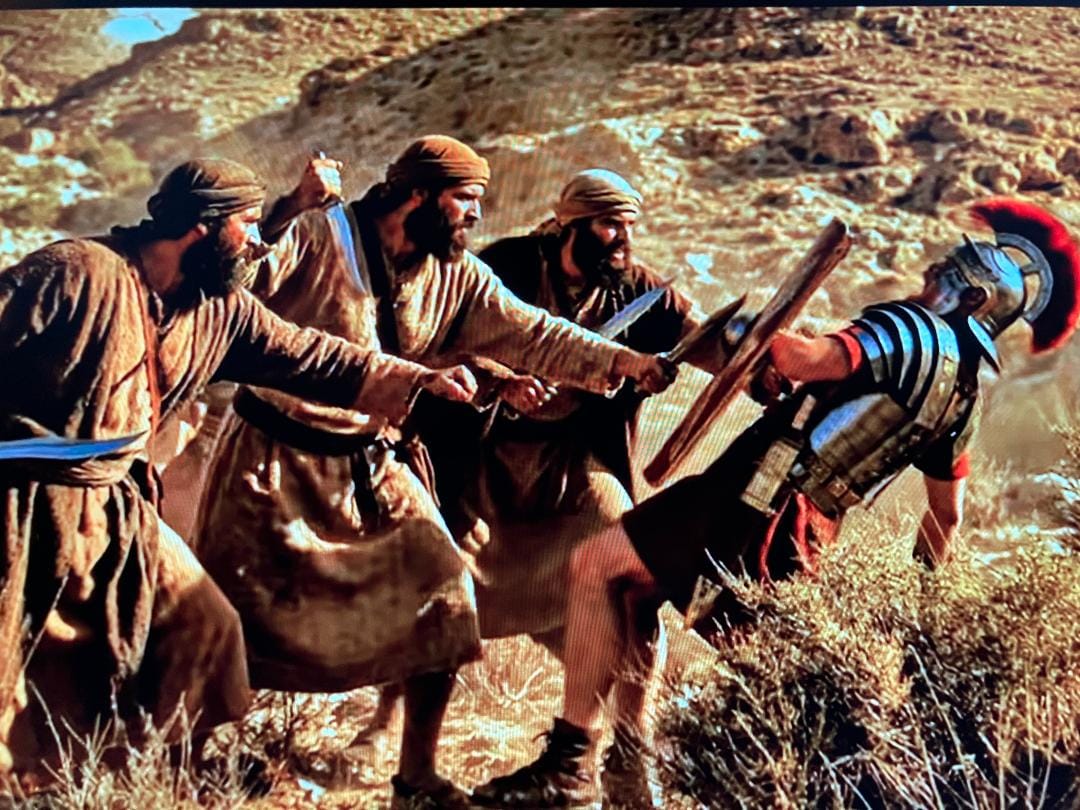
A true zealot was primarily a nonviolent Jew who strongly believed in the nation of Judah as a theocracy free from pagan Roman rule. However, Barabbas appears to have used the Jewish zealot movement at times for his own gains. His past crimes suggest that he would join a peaceful protest against some recent Roman action, only to then incite the crowd to violence. To do this he might attack a Roman guard or break into a store on the march route to steal food and other items to sell later. We see these same tactics used today when peaceful marches for a good cause turn violent due to the actions of a few criminals in the crowd. It was only a matter of time before his lawless behavior would cause his arrest and trial. This occurred when he was found guilty of killing a person. Unbelievably, while awaiting execution, he was allowed to go free because Jesus has been chosen to take his place. Thus, a career criminal and his degrading life style became forever immortalized in Scripture. Go figure?
In the first century, the Roman court system was well considered and established. Barabbas was arrested on a charge of murder in the first degree. We are given no details of the incident, but we can rightly guess what occurred. He most probably attacked a Roman guard or citizen hoping to incite a riot or perhaps to steal money. The person fought back, an enraged Barabbas stabbed the person, who then died. After having been arrested, Barabbas would have been imprisoned. We are not told if there were other violent zealots or robbers with him and involved in this particular incident. We are told that the two men crucified on either side of Jesus were convicted of robbery. A robber is different from a thief. Robbery implies an act of violence including the threat of death as opposed to a thief who steals without confrontation. Barabbas would have been too poor to hire a lawyer, therefore the Roman judge would have served as his defense attorney. Roman judges are cited as being very fair and thorough in this position. According to first century Roman law, to be found guilty of the charge of murder, a trustworthy eye witness would need to testify as to having actually seen the crime being committed. A Jewish court would require at least two eyewitnesses. The Judge would cross examine the witness and then give Barabbas the opportunity to defend himself against the charges. In this case, it appears that Barabbas was in fact guilty as charged. He would have been sentenced and sent back to his cell to await his execution date. The murder he committed must have been unusually violent or involved a Roman guard as the judge ordered his death by crucifixion.
The Romans had many ways to execute a person such as by boiling in oil, being skinned alive, drawn and quartered by horses, buried up to the neck, impaled on a stake, burned alive, strangled to death, drowned, etc. However, Roman citizens were given the choice of taking poison or beheading. These were considered the fastest and most dignified ways to die. The Apostle Paul, a Roman citizen through his father, chose beheading. But crucifixion was by far the most painful, grueling and torturous way to die ever devised by man. In fact, the word excruciating comes from the word crucifixion. It was reserved for the worst of the worse, and Barabbas apparently fit this bill.
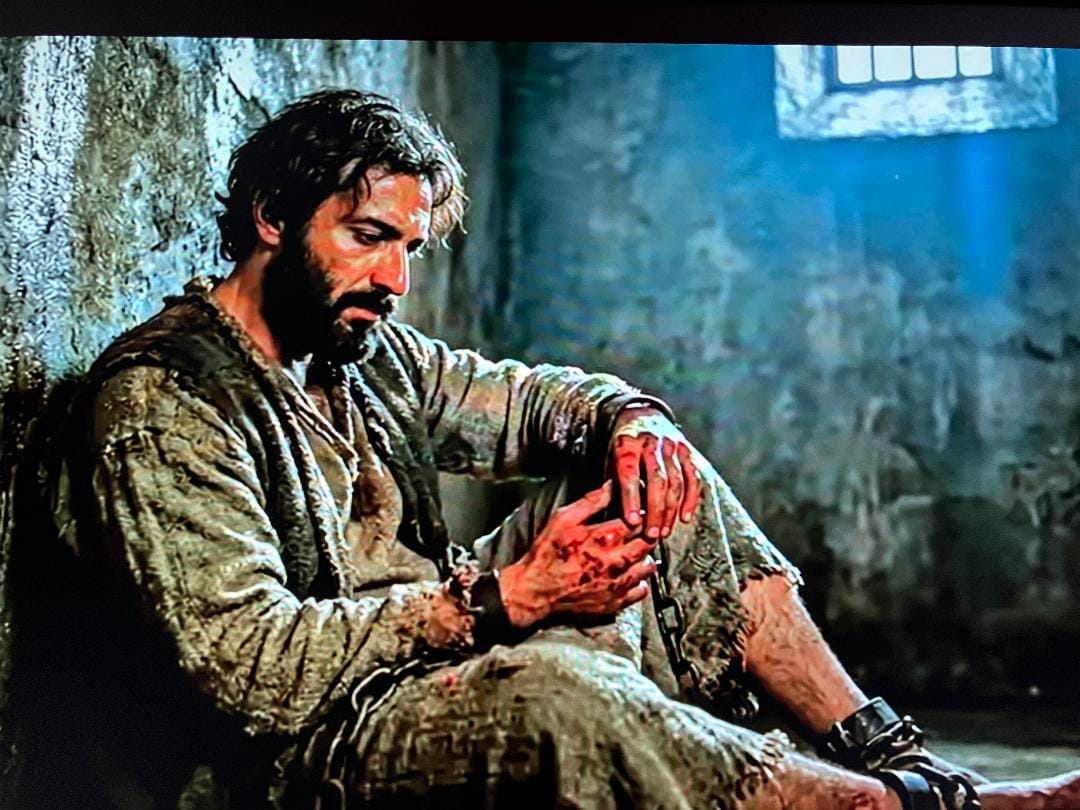
Barabbas probably did not know his execution date. Rome did provide a Last Feast for those prisoners that were to die in the arena. However, a common murderer only got a last meal which may have been exactly like every other meal. Therefore, Barabbas awoke on Friday April 3rd 33 AD at sunrise and ate breakfast probably expecting to live through the following three feasts of Passover, Unleavened Bread and First Fruits. Passover started that evening at sundown. His thinking was surely Rome would not carry out executions on sacred feast dates due to public outcry. But he was wrong. Instead, a Roman military Squad {eight soldiers} arrived and escorted him out of his cell and up onto a military plaza adjacent to Pilate’s residence. There he waited to be scourged and escorted to the Hill of the Skull to die an ignominious death. His corpse would be taken down from the cross for his family to bury. If no one claimed the body, it would be taken to the city dump and burned.
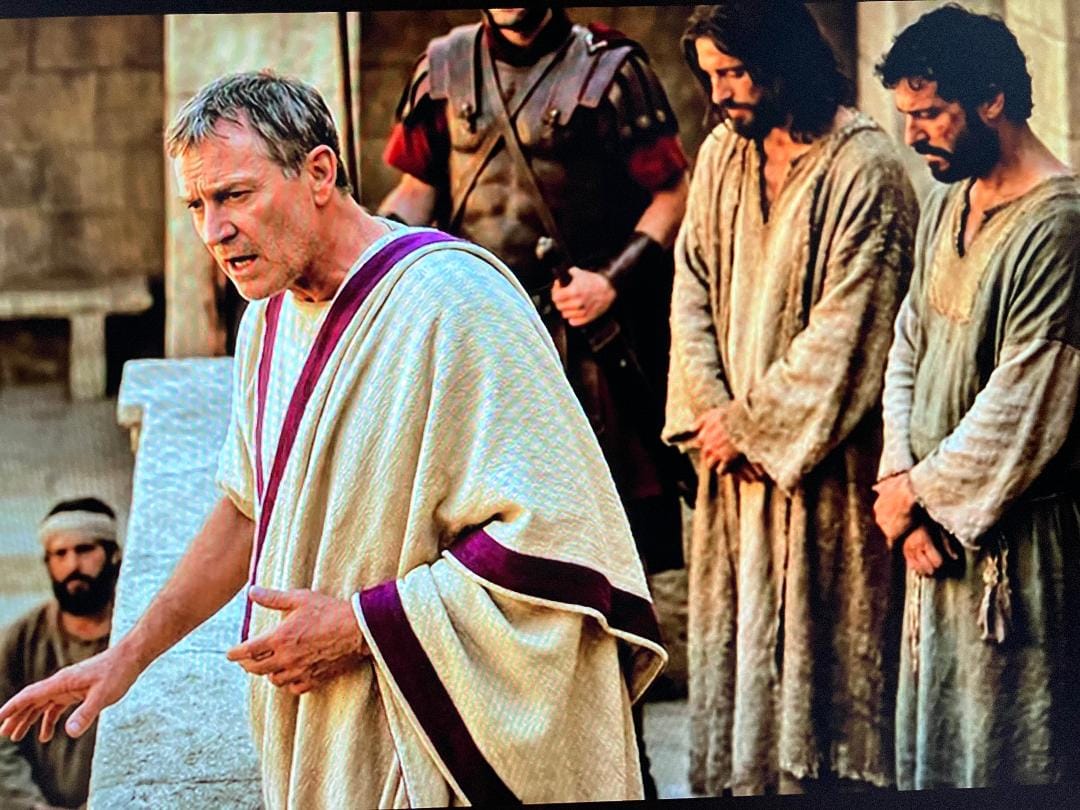
The Crucifixion Squad consisted of four soldiers and a centurion trained in the process. This was not an execution event that just any solider could perform. Roman guards would first scourge the person by giving them thirty nine lashes. The leather whips used were imbedded with glass shards and small iron nails. This was done to inflict pain, cause perfuse bleeding and speed up the death process. The condemned was then required to carry his own crossbeam up to the Hill of the Skull also known as Golgotha or Calvary. The Guard Squad would escort the condemned to the execution site where the Crucifixion Squad was waiting. The Guard Squad would then assist with crowd control.
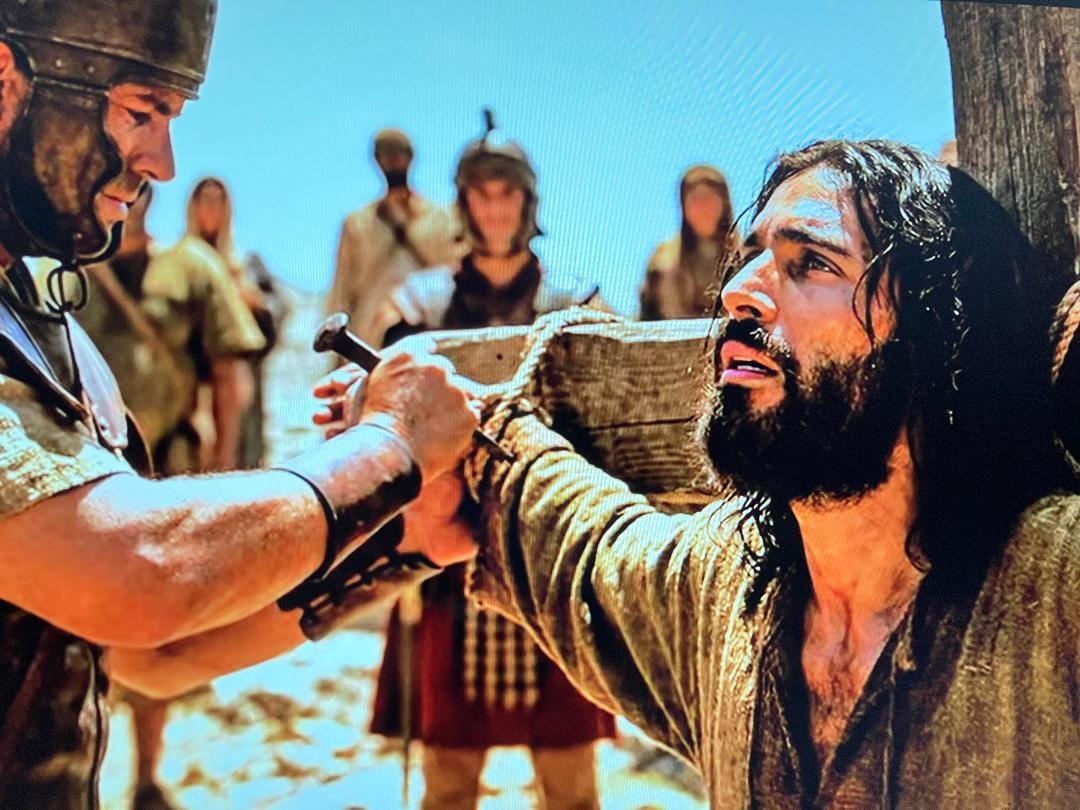
The Execution Squad was fast and efficient. The person was quickly stripped of all clothing as an act of public humiliation. Then four solders held the man down on the crossbeam. There, special double headed iron crucifixion nails were driven through each wrist. The beam was then hoisted up a standing post using two ropes attached to the crossbeam by hooks. A solider on a ladder behind the post quickly attached the crossbeam to the post and hung a placard specifying the crime committed. Each foot was then nailed through each heel to either side of the post. The entire process took only a few minutes. The judge may have allowed the person to have a small narrow seat attached to the post. This was known as the Mercy Seat. But in actuality, while the condemned could partially rest on the seat, it only prolonged the agonizing death. The condemned would cry out for water, but only be given vinegar mixed with urine and sometimes myrrh {a sedative} on a sponge. This was the horrific fate Barabbas was expecting. But he was unknowingly in for a big surprise!
On an interesting note, myrrh was gifted to Jesus by the Magi when they visited the family in Bethlehem. This was an expensive sap that is secreted from a wound made in the tree’s bark. This sap is then said to bleed from the tree and dries in bumps thought to resemble tears. It could be applied to the skin to reduce pain, or as incense to be used while praying, or to embalm the dead. Thus the gift was a hidden prophecy concerning the untimely suffering, death and burial of Jesus.

Pontius Pilate was the Roman military ruler over the nation of Judah. He had developed a particular dislike for the Jewish people, their leaders and in particular the Temple Priesthood. Rome wrote that it considered the Jews, the most disagreeable people they ever had the displeasure of ruling. So Pilate was well aware that the religious leaders wanted the itinerate rabbi Jesus executed in a way that the blame rested with Rome and not them. He was initially determined to not let this happen. But he quickly came to understand that he had been outmaneuvered by the High Priest Caiaphas, and the fact that Jesus was, for some unknown reason, determined to be martyred.
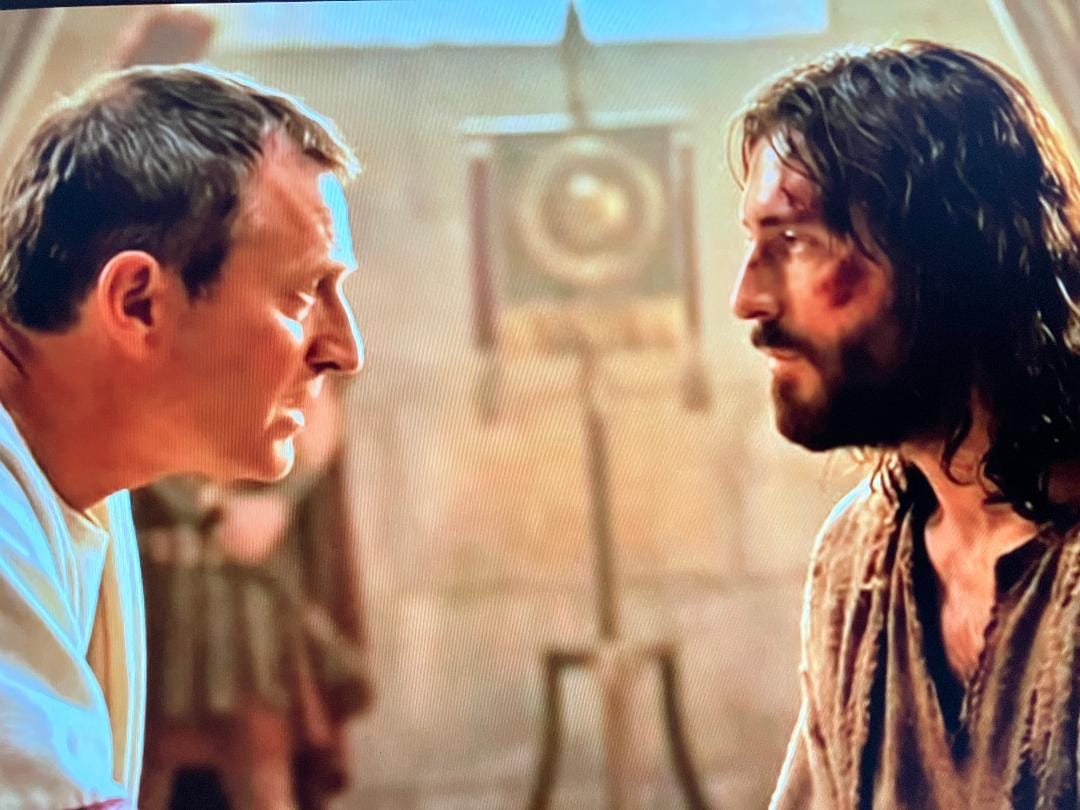
Pilate had interrogated Jesus and did not find that he was a problem for Rome. Maybe for the Jewish religious leaders, but not for Rome (Luke 23:15; Mark 15:10). Rome had no problem with any religion. They only had a problem with not paying taxes and civil unrest in any form. Rome saw Jesus as just another leader of a nonviolent Jewish religious sect. And a nonviolent Jewish sect was much more preferred over the current violent Jewish zealot movement. A crowd had gathered below a large stone platform that, at the far end, housed Pilate’s Judgement Seat {Praetorium} (John 18:28). He announced to the crowd that he found no fault with Jesus (Luke 23:4; John 19:4). He expected them to roar with approval. What he did not know was that the crowd was packed with religious leaders and paid supporters of the Temple system (Matthew 27: 20). Thus the crowd instead booed him and his decision. So he announced he would have Jesus whipped.
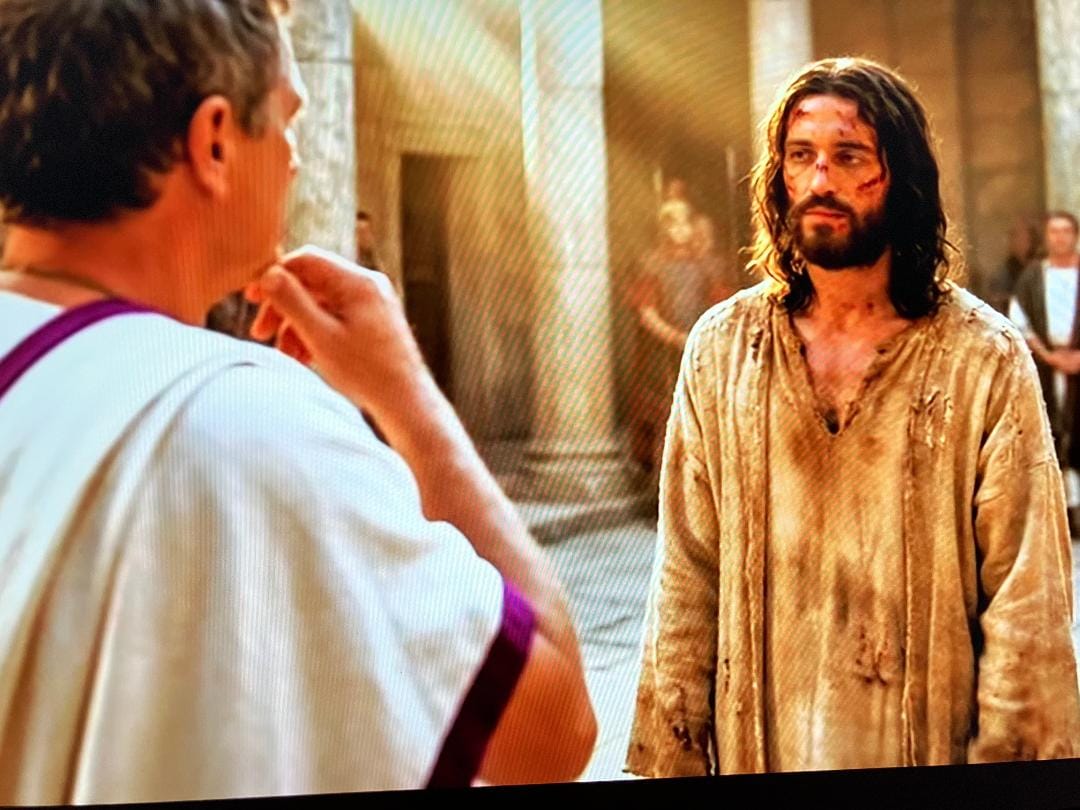
After the scourging he appeared a second time with Jesus bloody and bruised. He told the crowd Jesus had paid for His offence as a zealot and would now be released. The crowd now went into full riot mode. Grasping at his last straw, Pilate announced that due to the Feast of Passover beginning at sunset, he would free either Jesus or the convicted murderer Barabbas. He assumed the crowd would rather have a convicted murder and robber removed from their midst at Passover than a nonviolent rabbi. But unbelievably, the crowd voted for Barabbas to be released (Matthew 27:15-23; Mark 15:6-12; Luke 23:17-23; John 18:33-40). Pilate was astounded and appealed to the crowd three times to reconsider. He then reminds Jesus that he has the power to crucify Him. Implying that He needs to reconsider His claim of being a King. Jesus tells Pilate that He had no power over Him. And, that the Jews who delivered Him were guilty of the greatest sin (John 19:10-14).
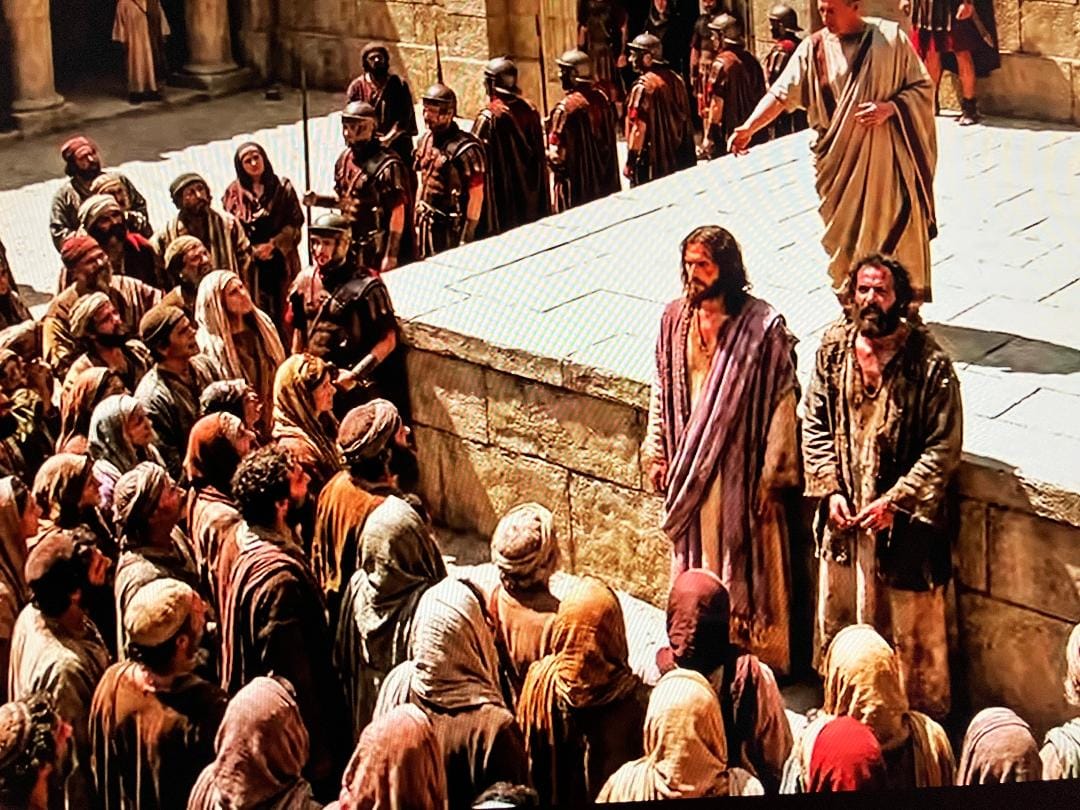
Pilate argued one more time with the crowd that Jesus was innocent, but Chief Priests pulled their ace card and reminded Pilate that any person who claimed to be a King was an enemy of Caesar (John 19: 12). Pilate then sits in his Judgement Seat and yells to the crowd “Behold your King?”(John 19:13-14). The crowd chants back, “Crucify Him!” Pilate yells to the crowd, “Do you want me to crucify your King?” and the Chief Priests yell back, “We have no King but Caesar (John 19:15). With the nod of his head and a wave of his hand, Pilate sends Jesus, the Son of God, off to be scourged a second time, and then on to the Hill of the Skull to be crucified (John 19:16). It is now 9:00 a.m., the morning sacrifice of a perfect lamb without blemish is taking place in the Temple while at the exact same time, Jesus was being lifted up on His cross (Matthew 27:25-37).
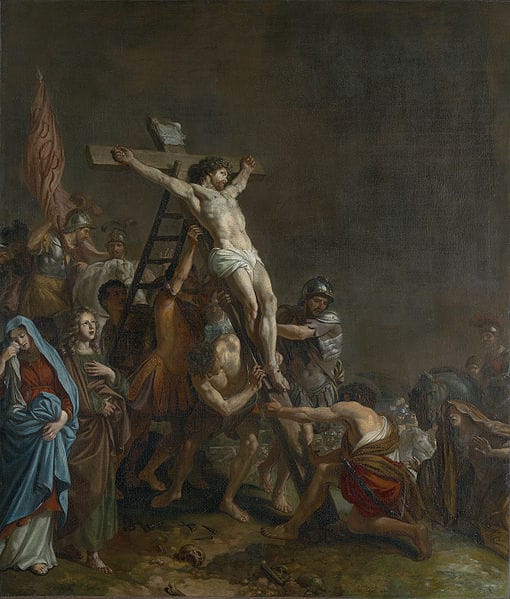
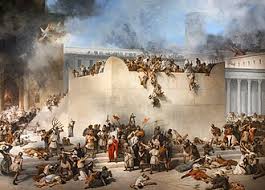
Literally, the Jews chose to free a convicted murderer, robber and rioter as opposed to releasing an innocent peaceful rabbi. Symbolically, mankind chose the good feeling one receives from rebelling against the will of God as opposed to the good feeling that comes from obedience to the will of God. For this one final audacious act against God, the Jewish nation was allowed to be destroyed by Rome in 70 AD. Those Jews that survived would search in vain for the next two thousand years for a Safe City in which to escape judgement for this crime. Prophetically, salvation is now only available to mankind because of the self-sacrifice of a sin free man fully in the will of God even to the point of suffering and death (Romans 3:23; 6:23; 8:1; I Peter 3:18).
WHAT'S IN A NAME?
The name Barabbas is actually two words combined. Bar in Hebrew means Son or Son of and Abba or Abbas was his biological father’s name. So Barabbas means Son of Abbas. Also, ancient manuscripts refer to Barabbas as Jesus Bar Abbas. The name Jesus is a derivative of the name Joshua and was extremely common in first century Judah. On the other hand, Jesus’ full name was Joshua Bar Joseph. Now, to make things a little more interesting, the Hebrew name for Father or Daddy is Abba. So, when Pilate was looking to find a way to release Jesus, he was actually asking the Jewish crowd to choose between Jesus (Messiah) the Son of (Bar) God His Father (Abba), or Jesus (Murder) the son of (Bar) Satan his father (Abba).
So what became of Barabbas?
Neither the Bible nor secular history gives us a clue. Was he grateful for his pardon? Did he learn a valuable lesson and become a pillar of society? Or, did he scurry home grateful for a stroke of luck he saw as long overdue. Perhaps he took a much deserved rest while plotting his great return. As any career criminal will tell you, old habits are hard to break. Especially if one enjoys running with the devil. One tradition says Barabbas watched as Jesus was crucified, was overcome with a sense of regret and became a Christian. Another tradition, and more believable, is that he hurried home before the authorities had a chance to change their minds. He laid low for a while, but eventually got that old itch and returned to his criminal ways. He was later said to have been killed in an an insurrection gone wrong. This is probably correct for two reasons.
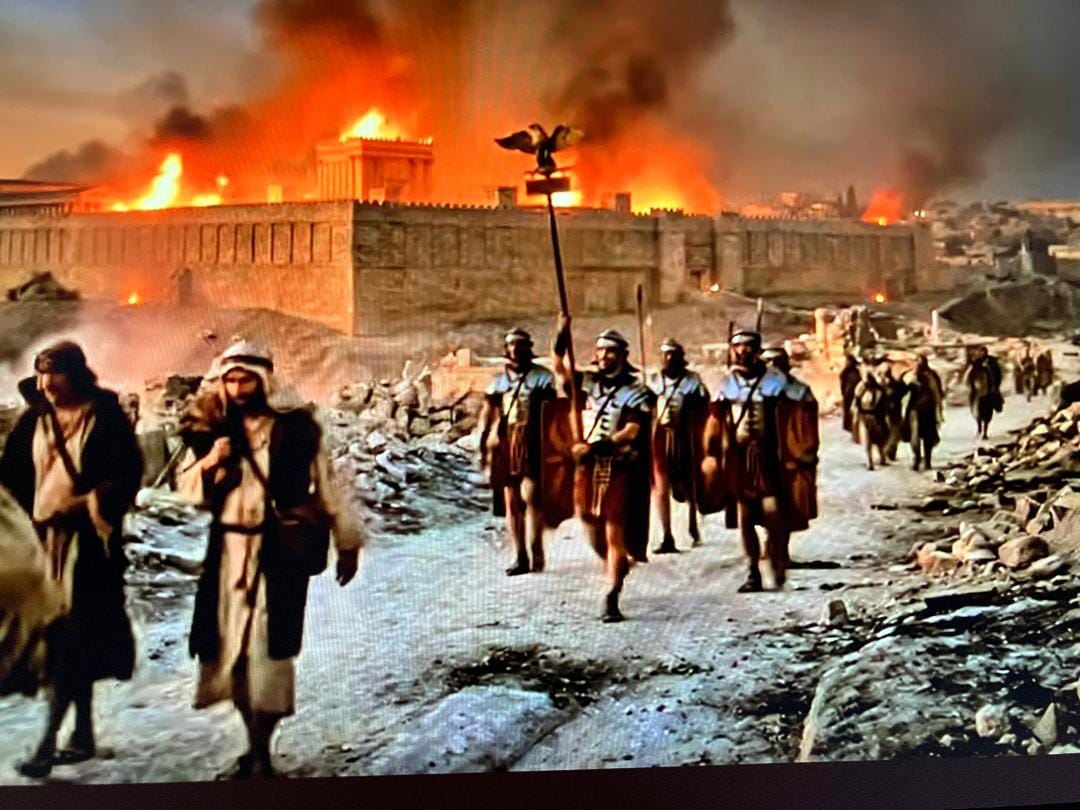
First, insurrection was in the air in Jerusalem in the first century. In fact, only 37 years after the ascension of Christ, the Jewish nation conducted a major revolt. Rome responded by burning the entire city to the ground. It then executed one million Jews and sold the rest as slaves to be relocated through the Roman Empire.
Last but not least, had Barabbas ever converted to Christianity, surely it would have been seen as a major accomplishment for a fledging religious movement and recorded somewhere in the New Testament. But sadly, there is not a single mention of this occurring.
In all probability, Barabbas was not moved by the death of Jesus nor was he eternally grateful for a second chance at life. He was freed physically, but his mental and spiritual conditions were firmly rooted in surviving the here and now. He was offered light and freedom, but instead chose life back in the shadows and slavery to sin. Barabbas could have recognized his current fallen state, understood that Jesus died in his place and gratefully accepted salvation through faith. Then having been reborn, moved forward supporting his family, helping his community and praising God. Instead, he most probably continued to tempt fate by committing illegal acts and was eventually rewarded with death.
However, the point is not what happened afterwards, but what happened in that moment in the public court of Pilate, in the exchange, in the substitution. Barabbas represents the universal man. He is a prototype; a real historical representation of a spiritual truth that applies to all humanity. What happened to Barabbas afterwards is what happens to all people who are set free. The choice of what to do with the freedom received. He could have returned to a life of crime and squandered grace, or he could have been transformed. He could have lived a different life realizing that everyday was an undeserved gift. The Bible does not tell us which path he chose and perhaps that is intentional. Because the question is not really about Barabbas...the question is about you!
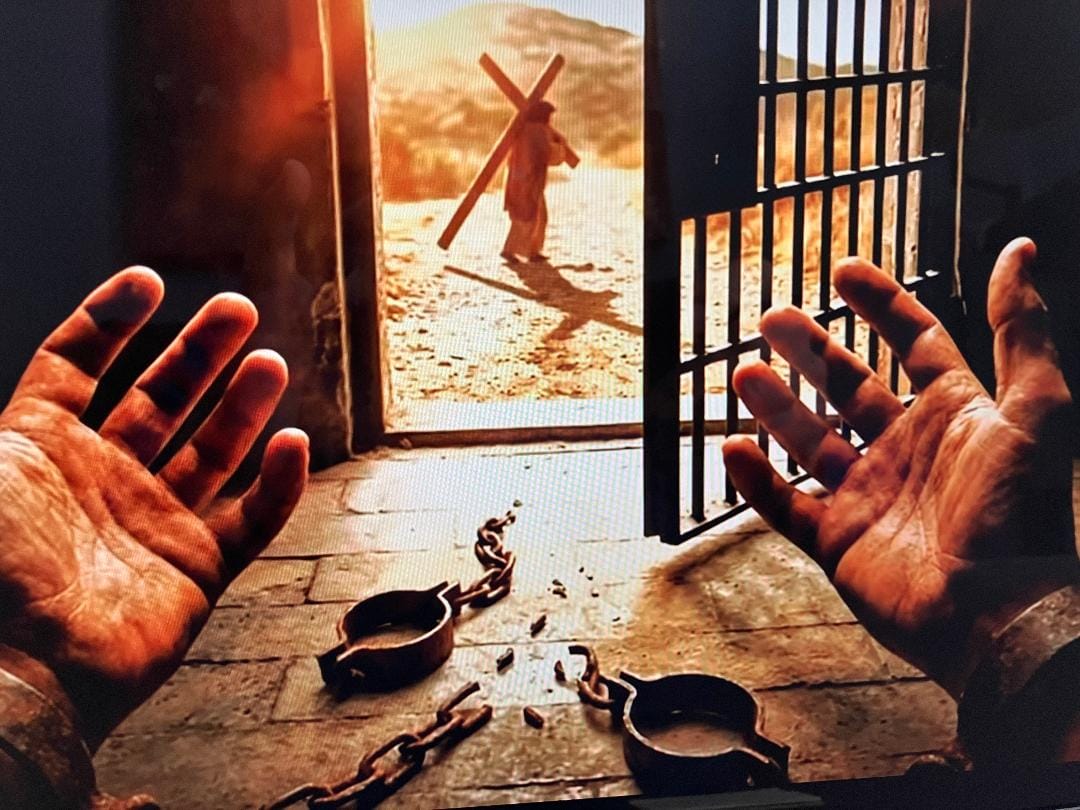
You too have now been given the offer to be set free. The chains of sin have fallen and the door of your prison cell has been opened. Another has taken your place. Another has carried your cross and endured your death. Now, what will you do with that freedom (Galatians 5:1). Barabbas vanished from history, but his legacy is with everyone who learns of what happened that early morning in Jerusalem. The truth about Barabbas is not just ancient history, it is a living truth. He who was guilty, is released because one who was innocent volunteered to take his place. This is the essence of the Christian faith: not to try and be good and God will accept you and reward you with eternal life, not a vague mysterious set of religious rituals, rules or customs. All paths do not lead to God! This was a real, violent, bloody and deadly act of substitution. A sinless person was tortured to death so that a sinful person could be set free. The question Pilate asked that morning continues to echo down through the centuries in every heart that hears and contemplates this story. Which Jesus do you want? The Jesus that confirms your plans, your expectations and your attempts at self- salvation ? Or, the Jesus that sacrificed and died on a cross to give you the offer of eternal life that you do not deserve? The crowd of Jerusalem representing humanity chose Barabbas. They chose the man who wielded a sword to bring change. Jesus said, “…those who live by the sword will die by the sword” (Matthew 26:52). Many billions of past and present Christians have chosen to believe in Jesus as Messiah. They have heard the story, considered its many and profound implications and come to understand that the man on the cross was only there in order to take their place. Only through Christ is their eternal life guaranteed. Thus, at some point between Pilate’s judgement and eternity, Barabbas had to decide what to do with a life that was handed back to him by a man on the way to the cross to suffer and die for his crimes.
Literally, the two men who are exact opposites in nature, yet shared the same name. Figuratively, Barabbas {humanity} is found guilty of a horrific crime, {sin} and sentenced to death {Hell} only to be pardoned when a Saviour {Jesus}, provides a substitutionary atonement {the cross}. Prophetically, this extraordinary exchange is still occurring every day in every heart that hears this story, realizes, “I am Barabbas!”, receives Christ as their Saviour and is Born Again in the Spirit.
On a closing note, the cross that Jesus was crucified on was located between two thieves and originally intended for Barabbas. Barabbas' original placard was eerily similar yet diametrically opposed to the one inscribed by Pilate for Jesus. Both were crucified for the crime of “Sedition”. Barabbas was judiciously found guilty of violently murdering a man in a failed effort to defeat the kingdom of Rome. Jesus was injudiciously found guilty for peacefully bringing mankind eternal life though self-sacrifice, and His effort was a triumphant success in defeating the kingdom of Satan. Barabbas, in the greatest miscarriage of justice ever committed, received a last minute pardon from experiencing an excruciating death. Jesus, in the greatest miscarriage of justice ever committed, received no last minute pardon from experiencing an excruciating death. Once Barabbas was pardoned, he was free to go home and relax while Jesus was being severely beaten on His way to a cross He would suffer and die on.
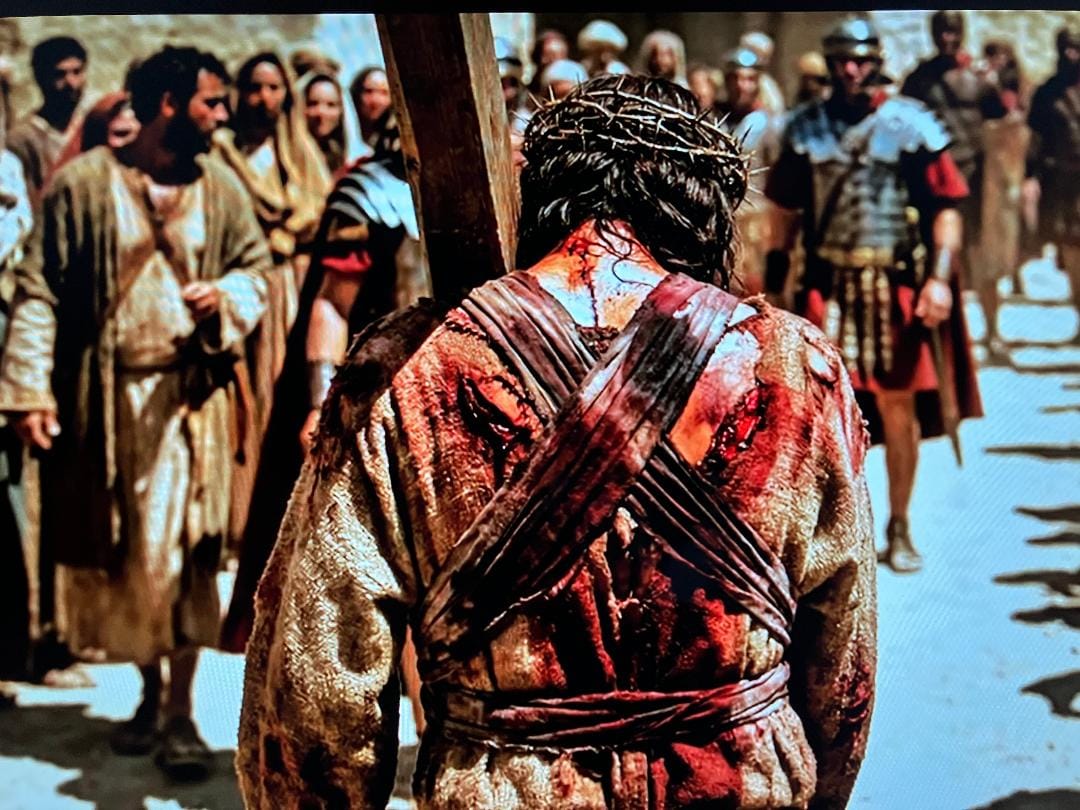
Pilate now rewrote Barabbas’ placard to make it about Jesus. Pilate was infuriated that the Jews had manipulated him into a position where he had to condemn an innocent man on a technicality. While Jesus admitted He was a King with a kingdom, He explained it was a Spiritual Kingdom (John 18:36). Pilate had Jesus scourged and was then willing to set Him free. But the Jewish leaders threaten to tell Caesar that Jesus called Himself a King and Pilate set Him free. They also threatened Pilate with a mass riot in the city on the Feast of Passover. While Pilate convicted Jesus for sedition, the Jewish crowd demanded He be crucified.
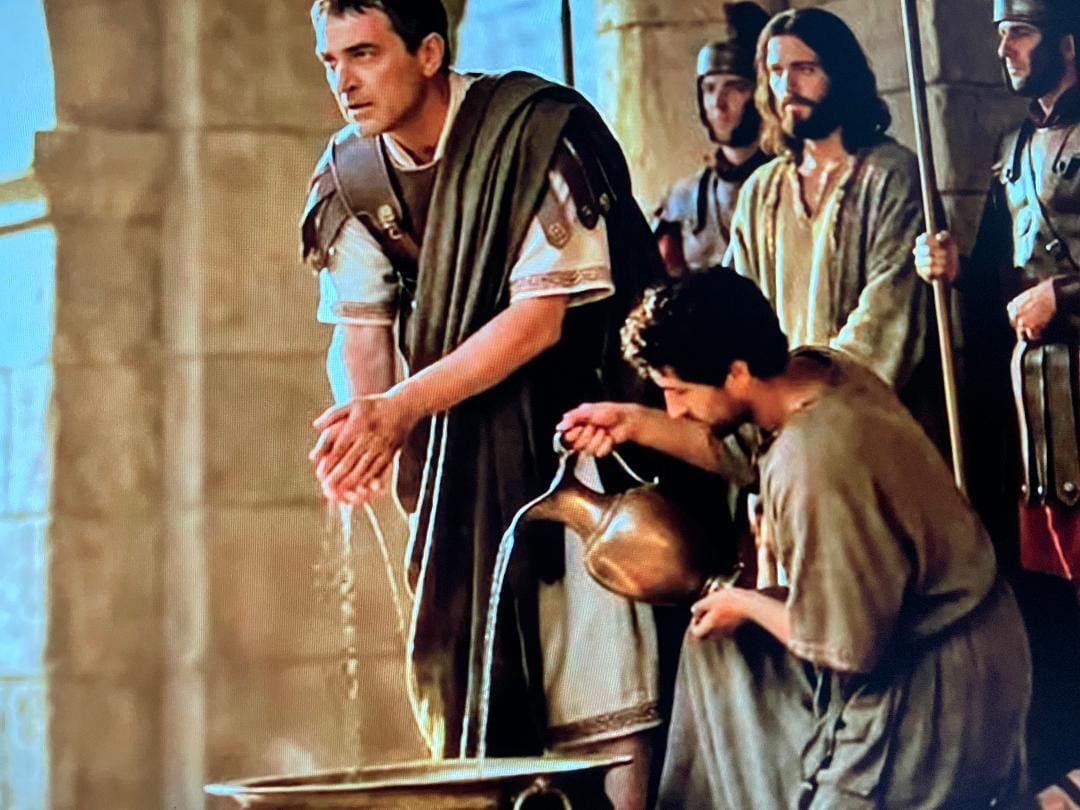
Pilate reluctantly agreed, but then publicly washed his hands as a symbolic act to show that he was against the entire court proceedings. Instead, he places the onus of what he considered an outrageous miscarriage of justice on the Jewish religious leaders and crowd who gladly accept it (Matthew 27:24-25).
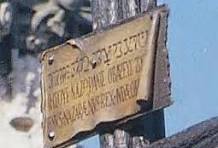
The placard for Barabbas would have read “Barabbas King of Murderers”. But when Pilate wrote a placard for Jesus, he intentionally worded it in a way that would upset the smug and pious Jews. He wrote the placard in Latin (INRI), Greek and Aramaic. It read, “Jesus of Nazareth, King of Jews”. The Temple priests were infuriated and demanded he rewrite the placard to say, "Jesus who claimed to be King of the Jews”. Pilate adamantly refused their request and delighted in this opportunity to antagonized them.
What went unnoticed by everyone is that this phrase, as written by Pilate, contains a hidden acrostic. If you combine the first letter of each word and read it from right to left as with Hebrew, it spells YHWH which is the Jewish name for God. Amazing!
If you enjoy the information provided on this site, please consider making a donation of any amount to help continue its production. Donate Now